Floresta
Gardens That Keep Growing
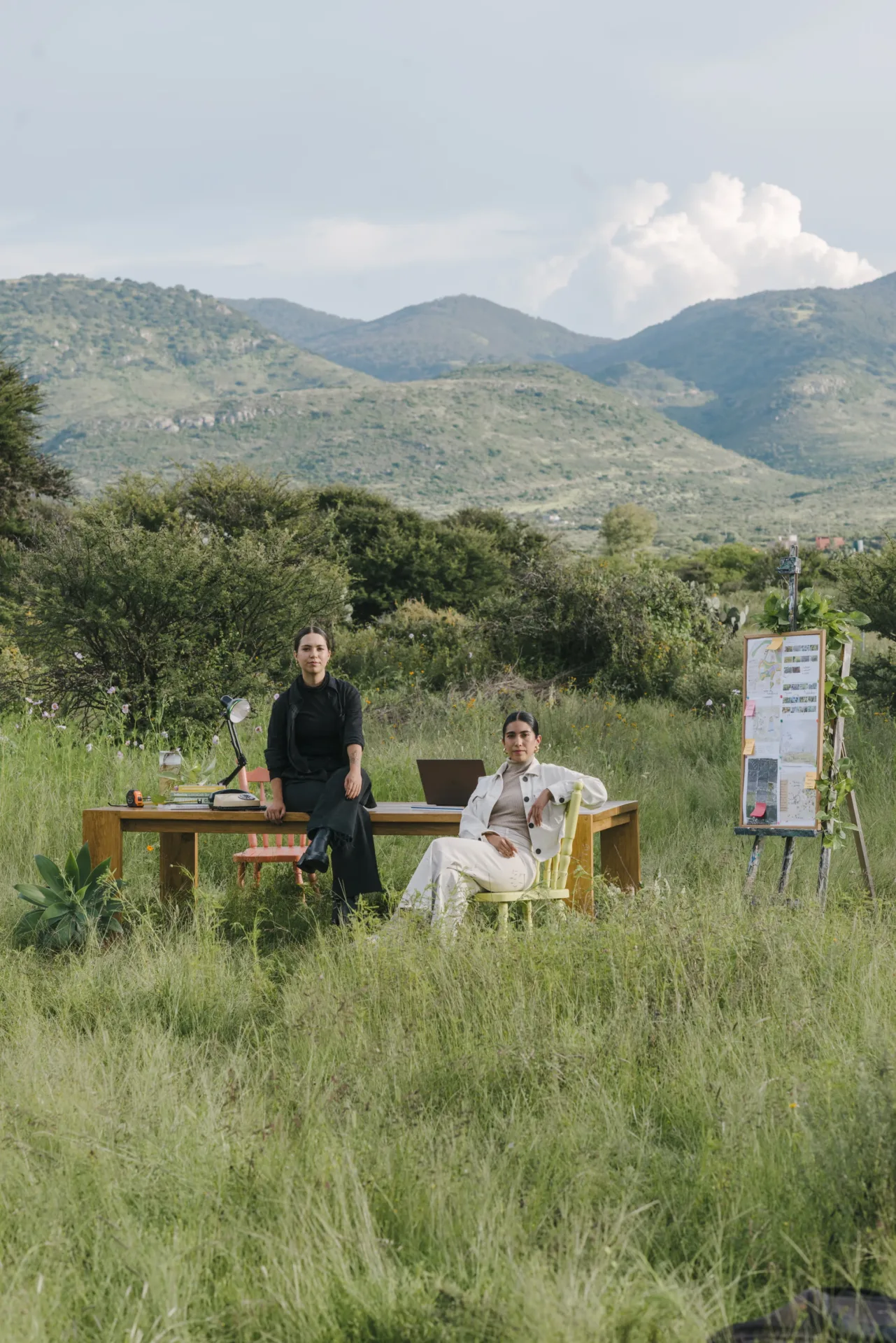
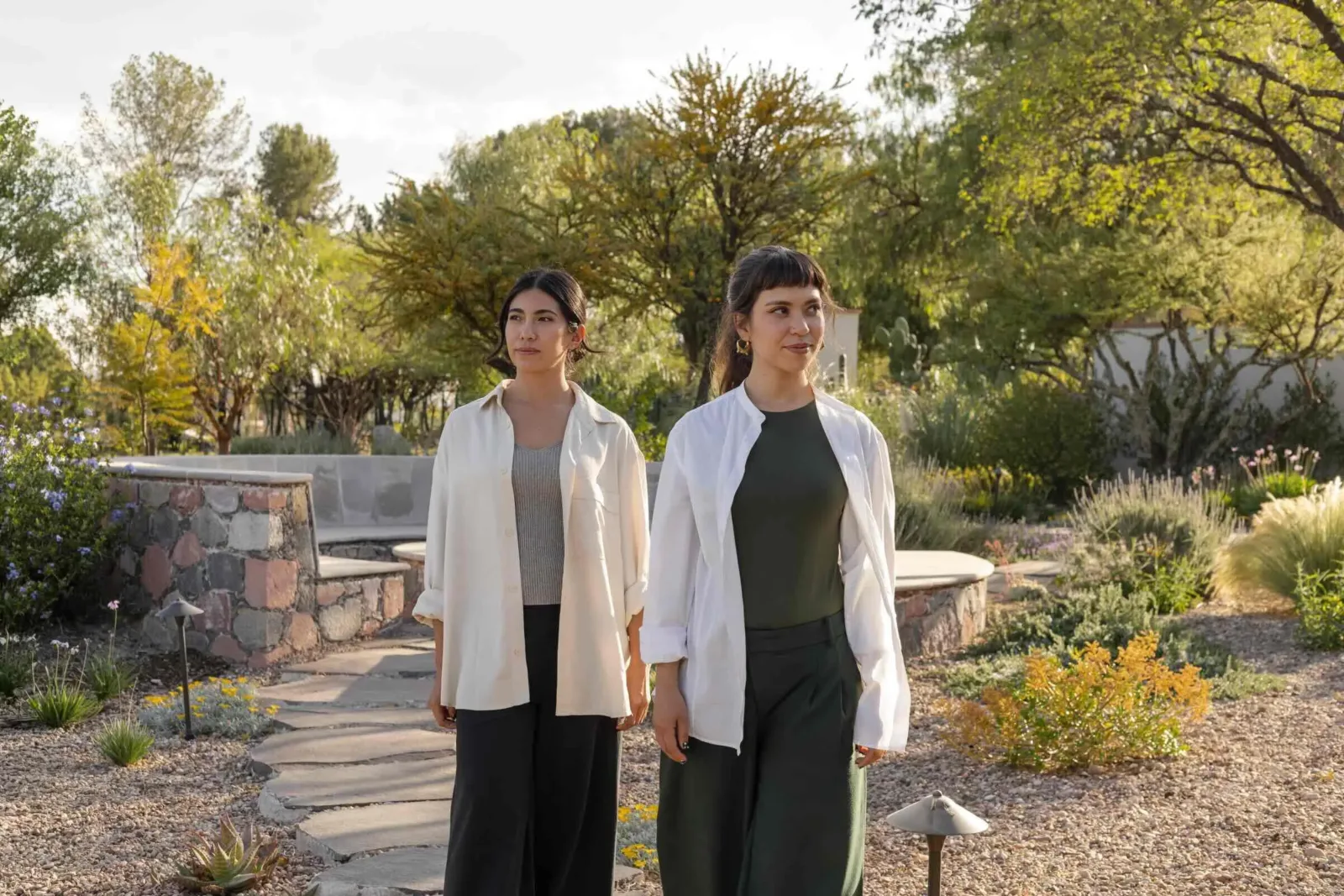
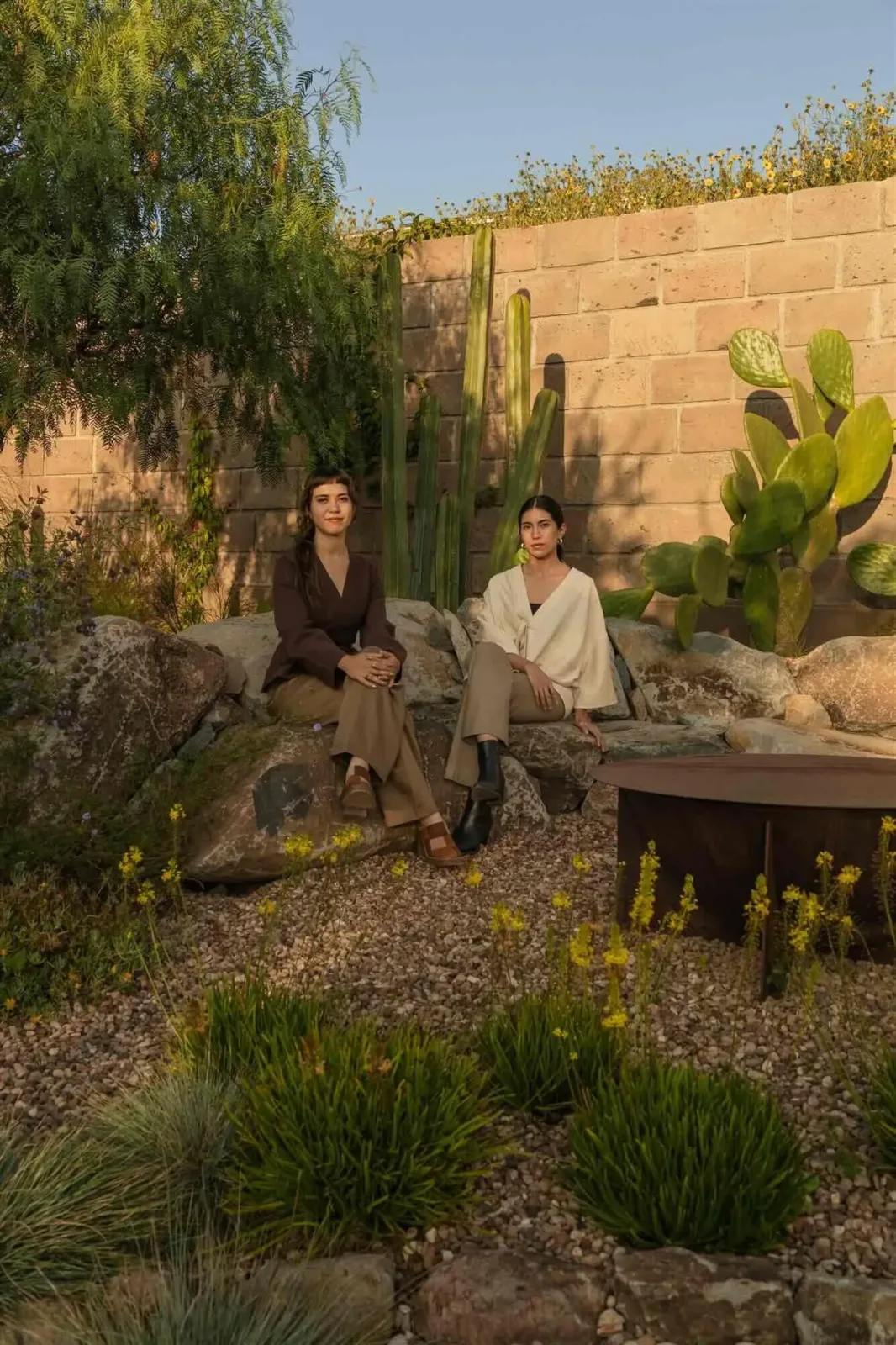
Diana and María welcomed us into their studio, between a meadow grown from seed and trees they planted a year ago. A conversation about the land, friendship, and gardens that keep growing long after they leave.
Eight weeks ago, there was nothing in that corner of the garden.
Today there's a meadow of flowers grown from seed. The trees at the back were planted a year ago. They barely water or prune them. When Diana and María first arrived at this house, which is also their office, there was only dirt and a fence. That was it.
It's a test garden. Here, they ask whether a plant will work in San Miguel and, when they're not sure, plant it to find out. That's how Floresta, their landscape architecture studio, works. They observe, imagine and experiment. Then nature does its part too.
As a teenager, María felt two things at once: a huge hunger for life and a deep anxiety about where we were heading as a society. She watched beauty disappear wherever people arrived. She loved design and creativity, but she didn't want to be part of a consumer culture.
That's when she discovered permaculture. She started meeting ecologists, artists and people who had spent years thinking about how to regenerate. She visited ecovillages and communities. She spent a year in Colombia, moving from project to project. There, she also learned how hard it is to live that way, outside of everything.
"If you're not inside the system, the scale of your impact is very small," she remembers.
She returned to Mexico and studied permaculture in Cuernavaca. It felt like exactly what the world needed. But she also had to make a living, and somewhere between her ideals and everyday life, she found the best of both worlds: landscape architecture.
Diana, meanwhile, grew up beside a river. On the other side was a grove of fruit trees, with avocados, mangoes and towering trees. "It was basically my garden." She spent her days playing there.
At eighteen, after losing her father, she moved to Guanajuato, where her mother lived. The change wasn't easy, but the city captivated her: the tunnels, the houses built one on top of another, the colors, that chaotic, youthful energy.
She studied architecture, but soon discovered that what interested her most wasn't the beams or the materials, but how it feels to be inside a space: the height, the temperature, the light. Toward the end of her studies, she discovered earth construction and traditional building techniques. It felt like waking up.
That search brought her to San Miguel. After hearing Peter van Lengen give a talk on bioarchitecture, Diana decided to send him her résumé. She began working at his studio, and it was there, in 2019, that she met María, who was doing her internship.
María was building a chicken coop and a garden. Diana was designing houses made of earth. "We were the nerds," María remembers. They weren't friends yet. Just colleagues.
"I felt like I was inside a book. Like a movie with an incredible set."Maria
Then the pandemic hit. Projects stopped and Diana lost her job. She went back to Guanajuato, to her mother's house, but after a few months decided to return to San Miguel. With no job and nowhere to live, she rented a hotel room. "Something will come up," she thought.
She reached out to Peter, who was organizing bioarchitecture courses. At one of them, María gave a talk on permaculture. Her graduation ceremony had been held online that same day, and she had spent weeks applying to landscape design studios without hearing back. That day, she asked Diana, "What if we start a landscape architecture project?" "I'm in," Diana said. "I knew the opportunity would come. When María said it, I thought: here it is."
Floresta was born in 2020.
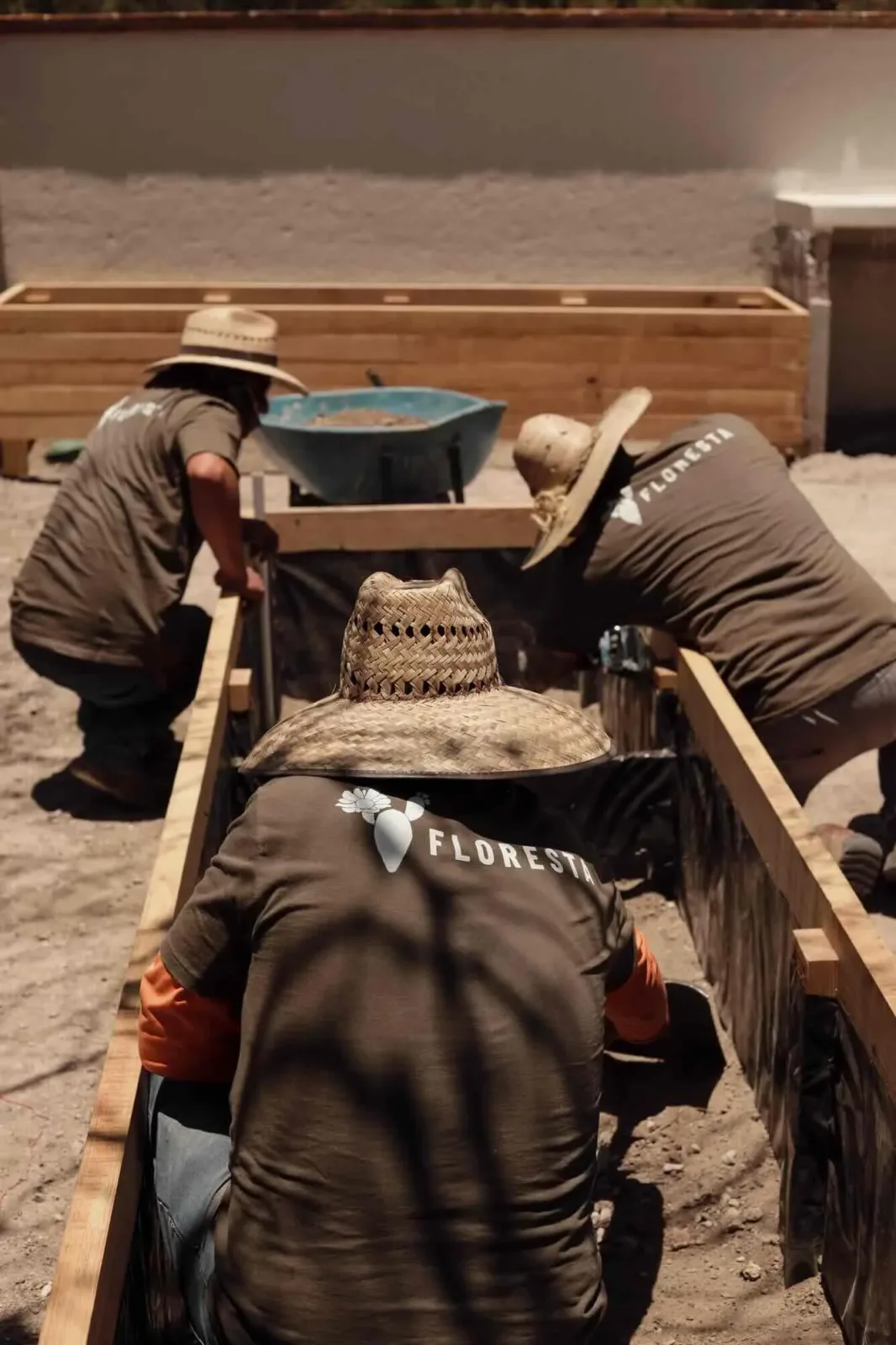
Their first big project came from a development in San Miguel that hired them to design the gardens for its model home and entrances. The developers wanted sustainable gardens. Diana and María were two young women sitting across from contractors and engineers with years of experience. "An office full of dinosaurs," they remember. Even though they were learning as they went, they walked in with all the confidence in the world. They worked there for almost a year and built a team from scratch.
Today, that team has grown to eleven people. "We're almost like a family," María says.
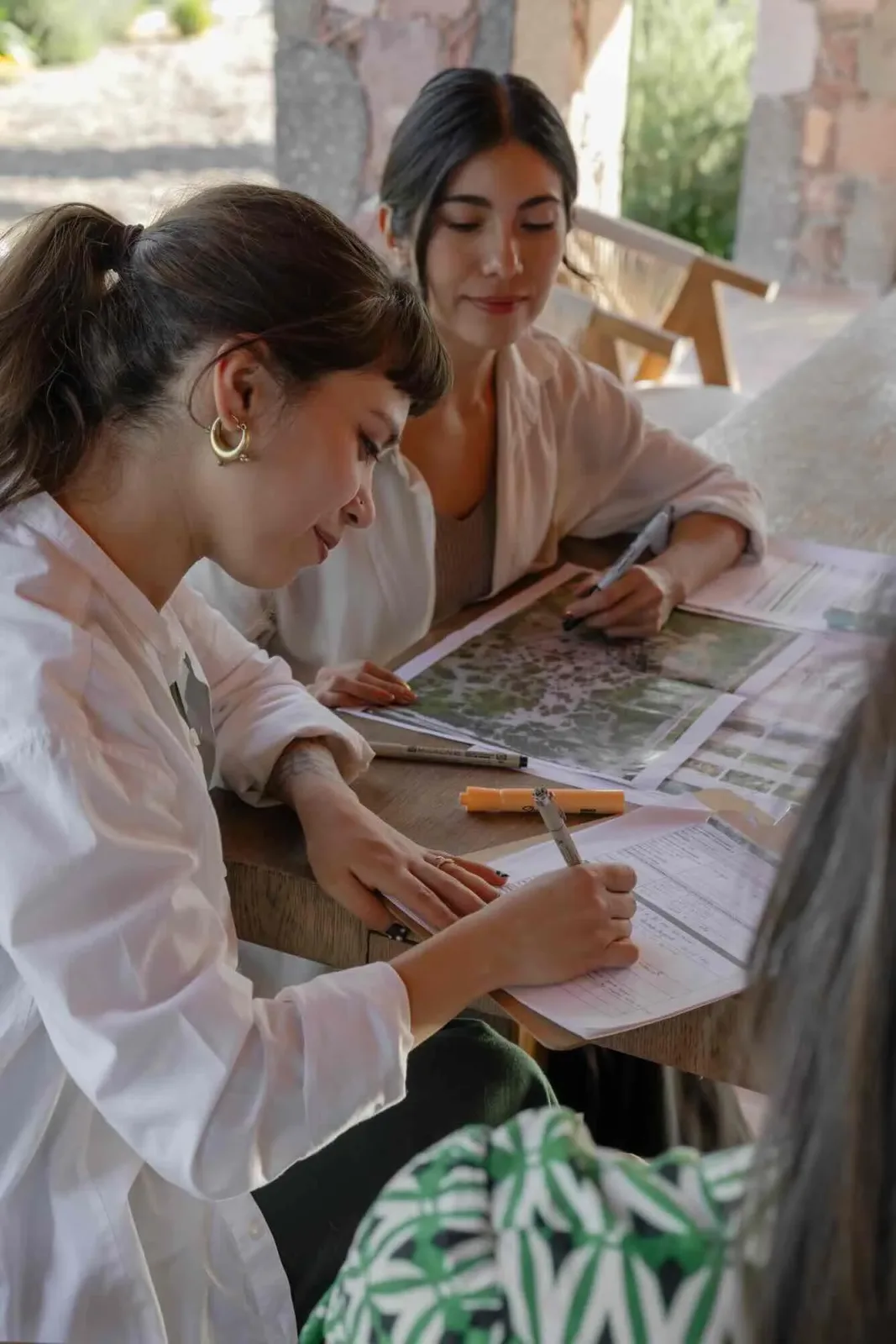
Diana admires how easily María turns ideas into reality. She knows what comes first, what comes next, and how to bring everything together to make a garden happen. María, in turn, is amazed by Diana's imagination. Sometimes they arrive at a piece of land where there seems to be little to work with. María doesn't know where to begin. Diana is already seeing something else.
"Sometimes I feel like I bring Diana back down to earth," María says. "And she helps me dream a little more."
Diana notices the proportions of a place. A small space with walls that are too high can make her feel closed in. María looks at other things: how plants relate to each other, which ones attract hummingbirds and which ones feed pollinators. These are relationships we don't always see, but can feel. A golf course can be perfectly kept and still hold very little life. In other gardens, among unpruned plants and the occasional dry one, there are animals and a whole ecosystem at work. For Diana and María, that imperfection is part of the beauty.
“Why bring Tuscany to San Miguel when there’s a beauty here that doesn’t exist anywhere else in the world?”Diana & Maria
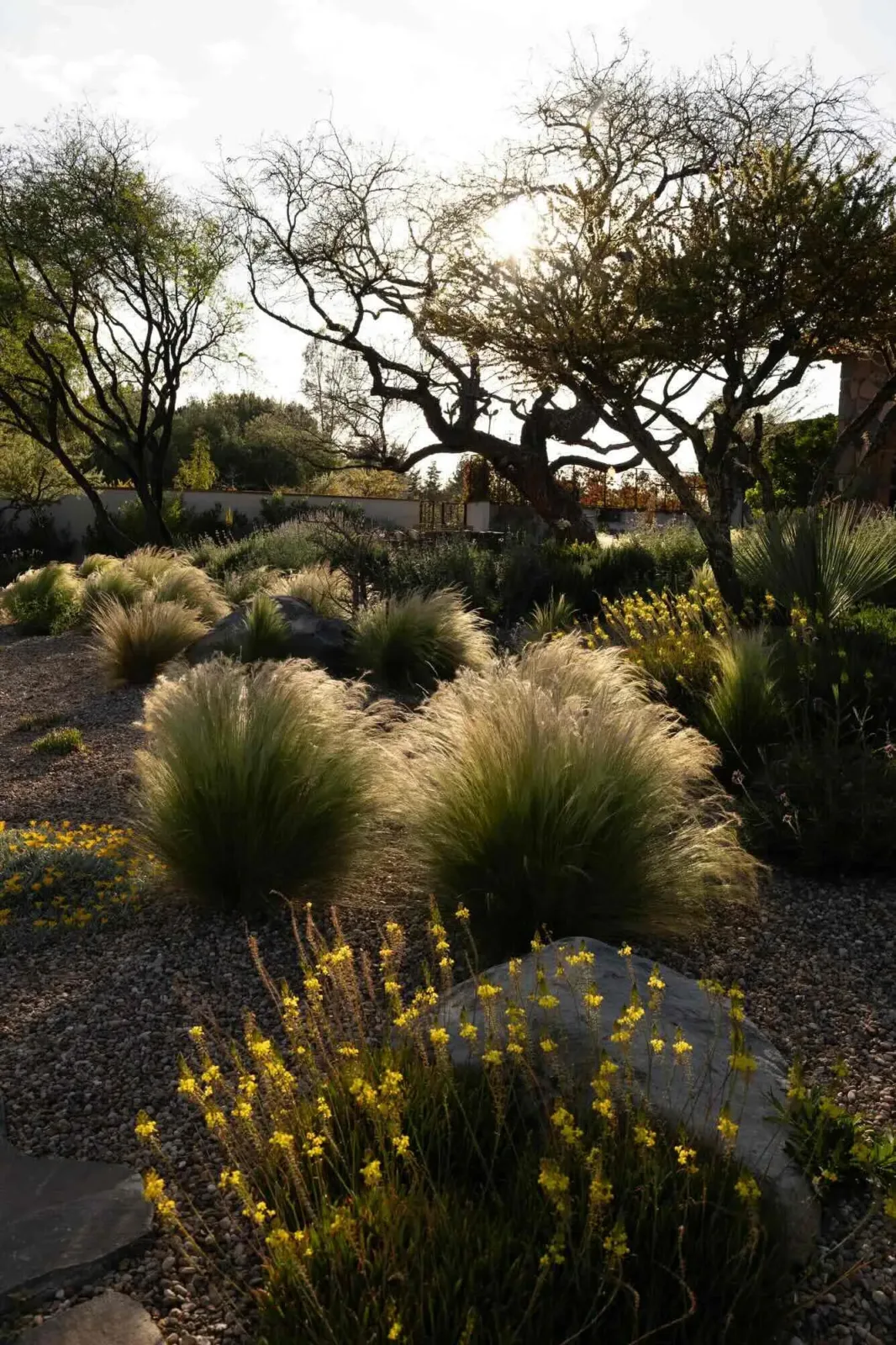
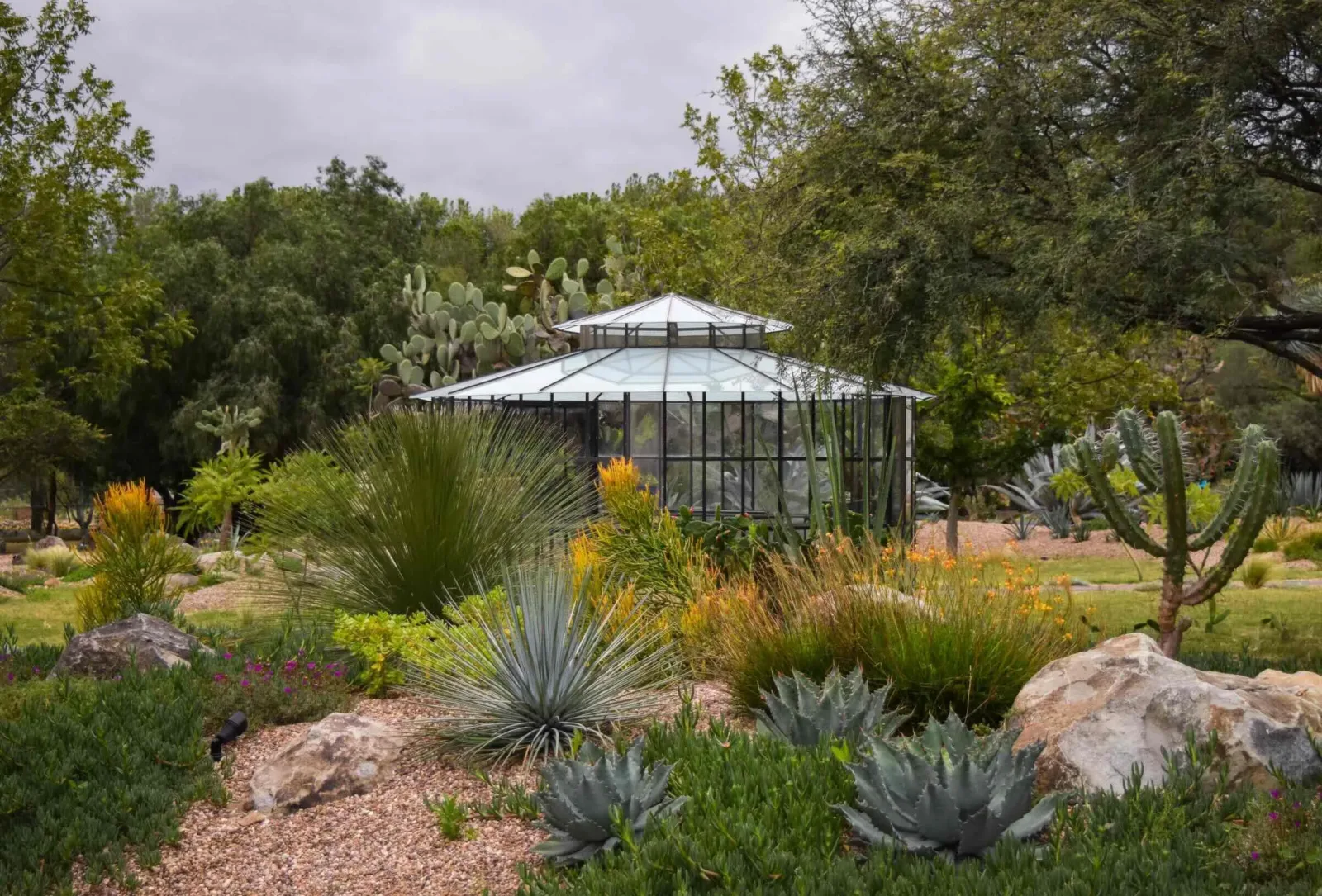
If they had to choose one plant, it would be the garambullo. Tough, sculptural, it bears fruit and grows wild in the hills. "It carries the strength of this place." They also love nopales, agaves, mesquites and huizaches. They've created gardens inspired by the oak forest in the sierra, the scrubland and the dry tropical forest.
They have nothing against bougainvillea, cypress or olive trees. They work here. But they don't want a landscape that looks the same everywhere.
Even when they design a Mediterranean garden, they find ways to give it a sense of the Bajío. So that when you walk in, you know where you are.
El Charco del Ingenio is one of the places that has shaped them most. For Diana, it was a window into the local ecosystem when she arrived in San Miguel. For María, it showed that landscape architecture could go far beyond designing gardens: it could also mean protecting and restoring a piece of land, thinking about what it might become years from now.
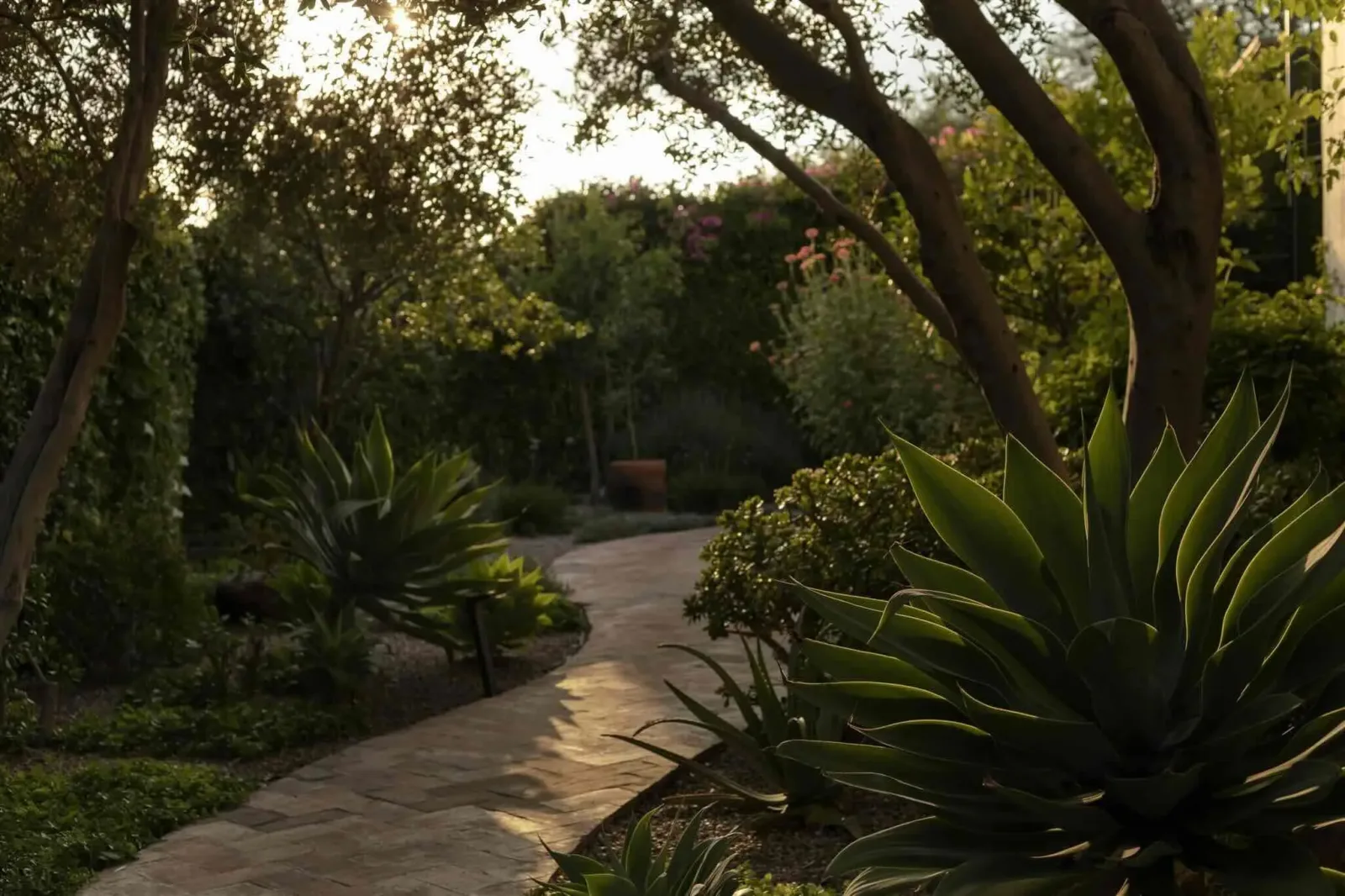
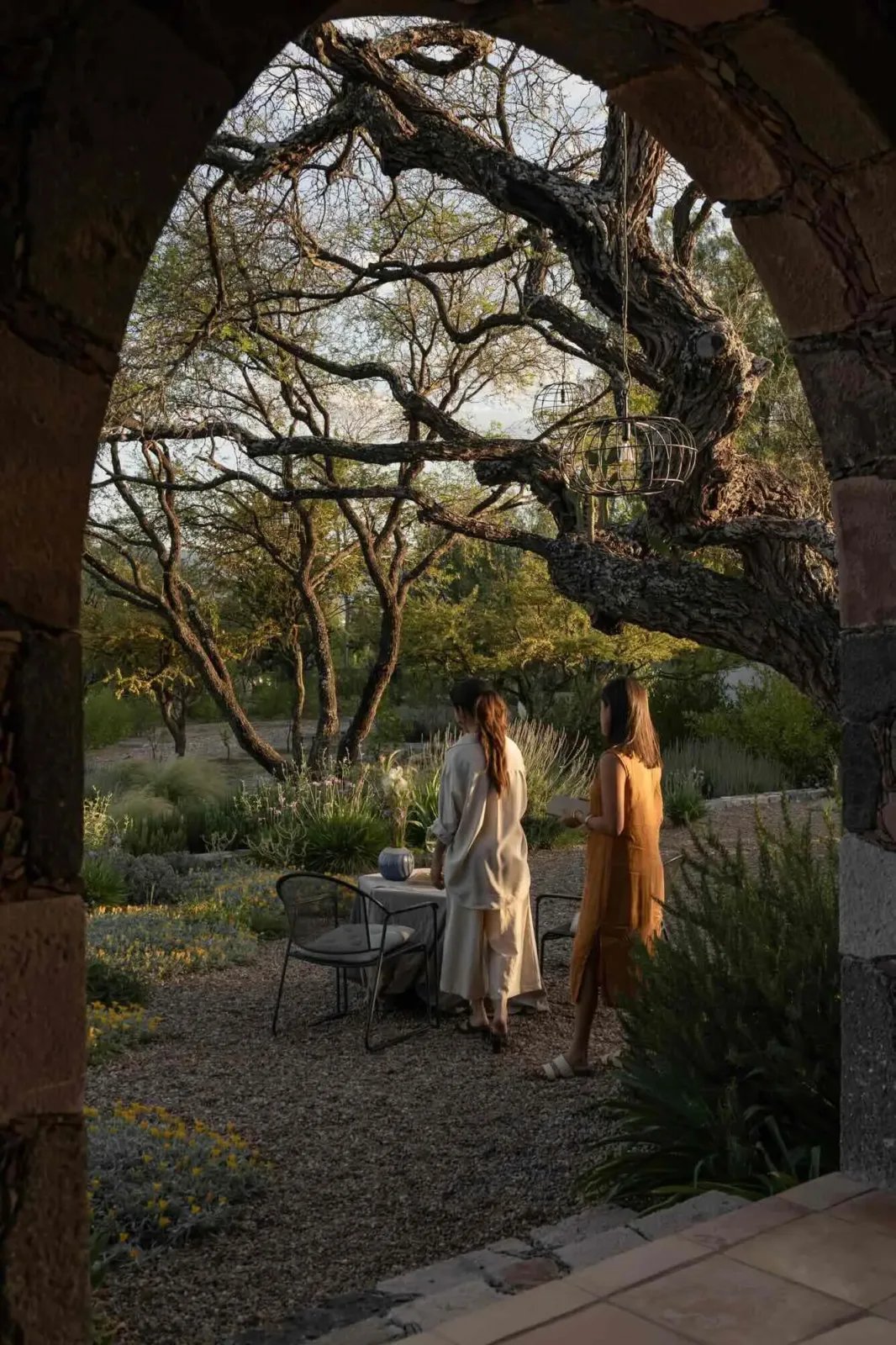
That way of looking at the landscape runs through their projects too. At Casa Dos Gatos, Deborah asked them to create a garden inspired by El Charco del Ingenio. Hacienda Amor was a different story: a stone house surrounded by mesquites and huizaches, on land that still had no paths or spaces to enjoy the outdoors. Two very different places with one thing in common: the chance to work with what was already there.
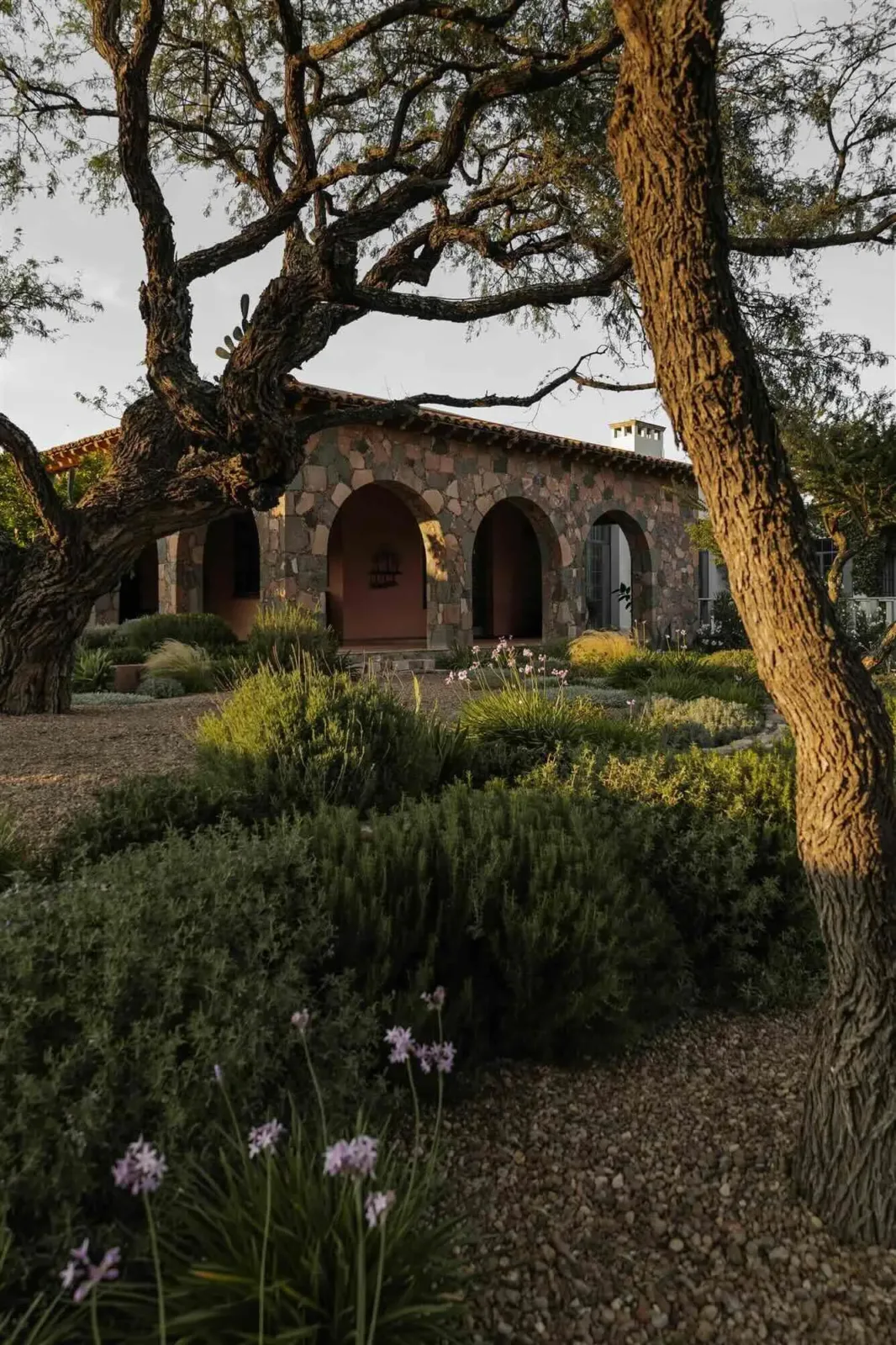
Floresta started out designing residential gardens, but its work has expanded into landscape regeneration: ranches, properties spanning several hectares, and places where restoring water and reforesting are part of the design.
They've also begun experimenting with ephemeral gardens, landscapes that exist for a while and then transform. The plants go back into the ground, into other gardens, where they keep growing.
For Diana and María, a newly planted garden is just the beginning. One of them loves imagining everything that's still to come; the other worries a little about leaving it in someone else's hands. That's why they go back to visit. Sometimes, years later, they find gardens that have grown far beyond what they imagined.
"Nature always goes beyond my expectations."
“A garden is a door to a world.”Floresta